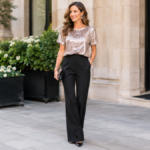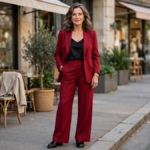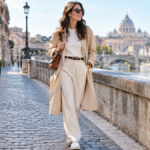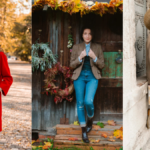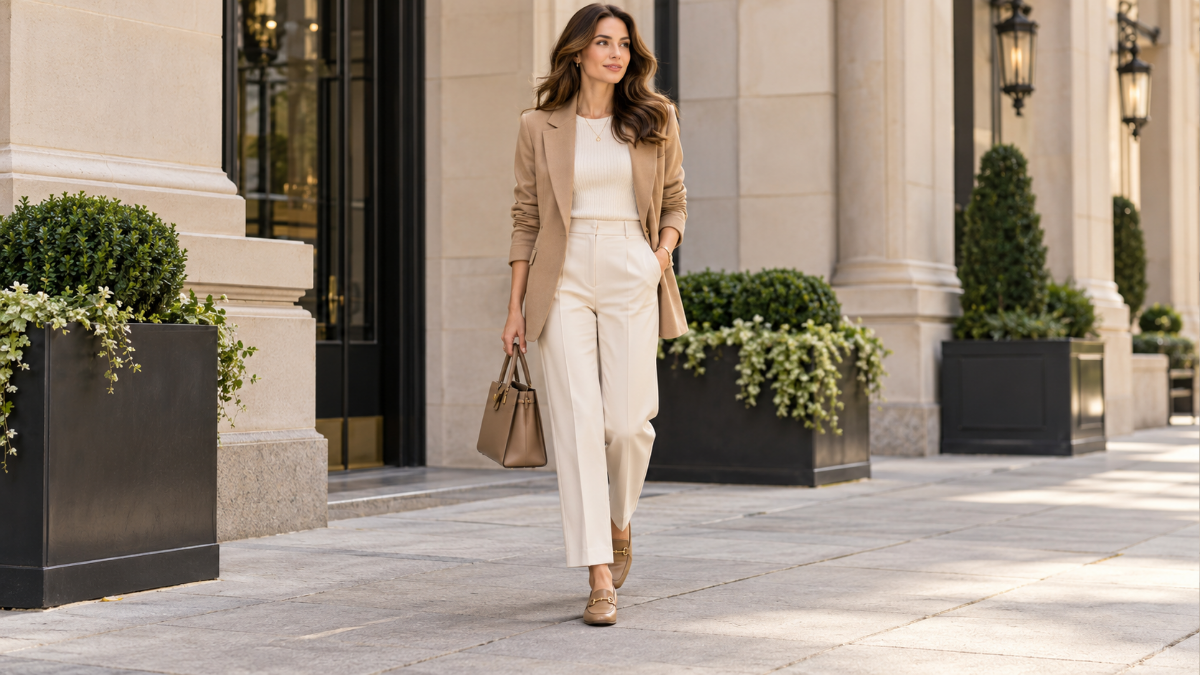
Finding yourself drawn to the sleek, understated elegance of quiet luxury is easy. The challenge comes when you realize the aesthetic is usually paired with four-figure price tags for a single cashmere sweater.
If you want to dress with that refined, polished look without blowing your monthly budget, it can feel like you are locked out of the trend. The good news is that high-end style has very little to do with expensive logos or designer labels.
By understanding a few core principles of fit, fabric, and silhouette, you can easily build an expensive-looking wardrobe using accessible, everyday pieces.
The Core Principle: It Is About Texture, Not Price Tags
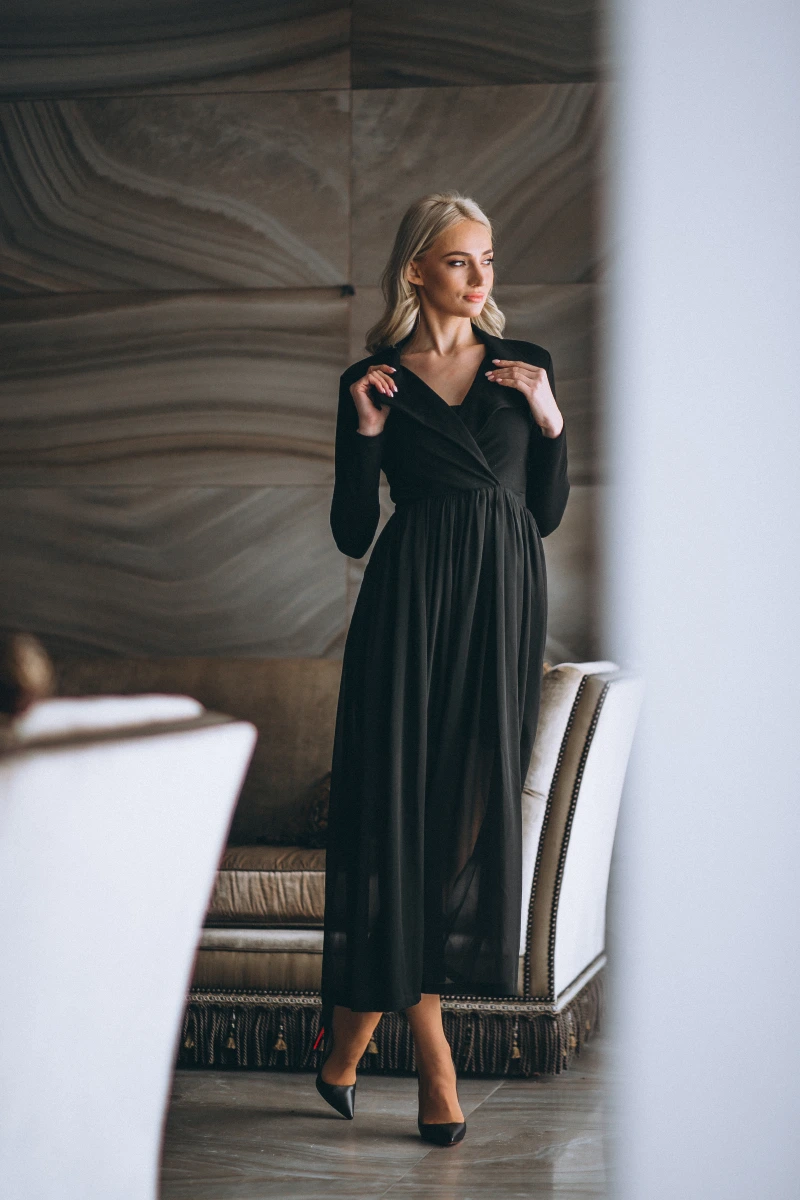
The secret to achieving an elevated aesthetic on a real-life budget lies in choosing fabrics that hold their shape and catch the light properly. Inexpensive synthetic fabrics often have a harsh, artificial shine that instantly reveals their price point.
When shopping on a budget, prioritize natural blends or matte finishes that mimic high-end textiles. Cotton poplin, crisp linen, structured denim, and fine-gauge knits automatically look more premium than thin, stretchy synthetics.
Fabric weight also changes how an outfit hangs on your frame. A mid-weight cotton shirt drapes cleanly over your shoulders, whereas a flimsy synthetic blend tends to cling and wrinkle easily.
3 Fabric Upgrades That Instantly Elevate Your Look
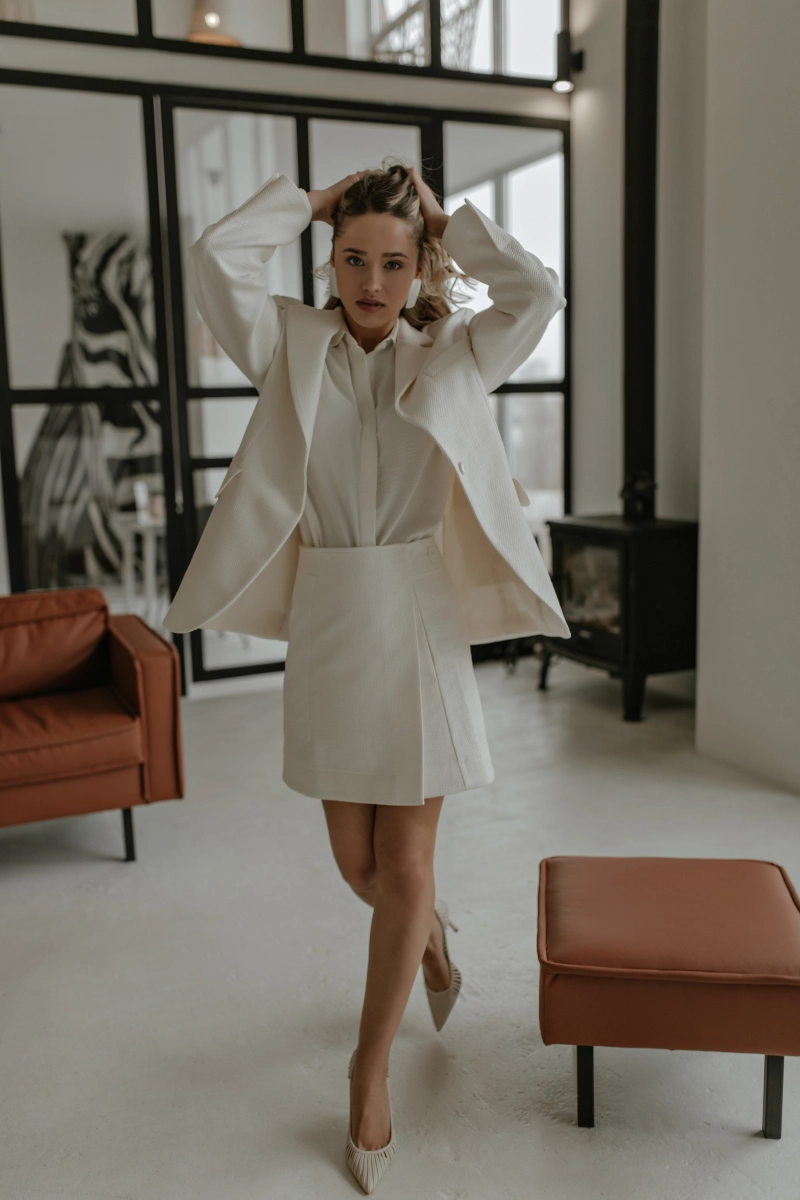
The table below breaks down simple fabric swaps you can make to get that high-end, tactile look while staying strictly within your budget.
| Instead of This | Choose This | Why It Looks More Expensive |
| Shiny polyester blends | Crisp cotton poplin or matte viscose | Holds a crisp structure without artificial sheen |
| Thin, clingy jersey | Heavyweight combed cotton | Drapes cleanly over proportions without clinging |
| Acrylic knits that pill quickly | Fine-gauge cotton-cashmere blends | Offers a smooth texture that stays looking fresh |
Focus on Tailoring and Intentional Proportions
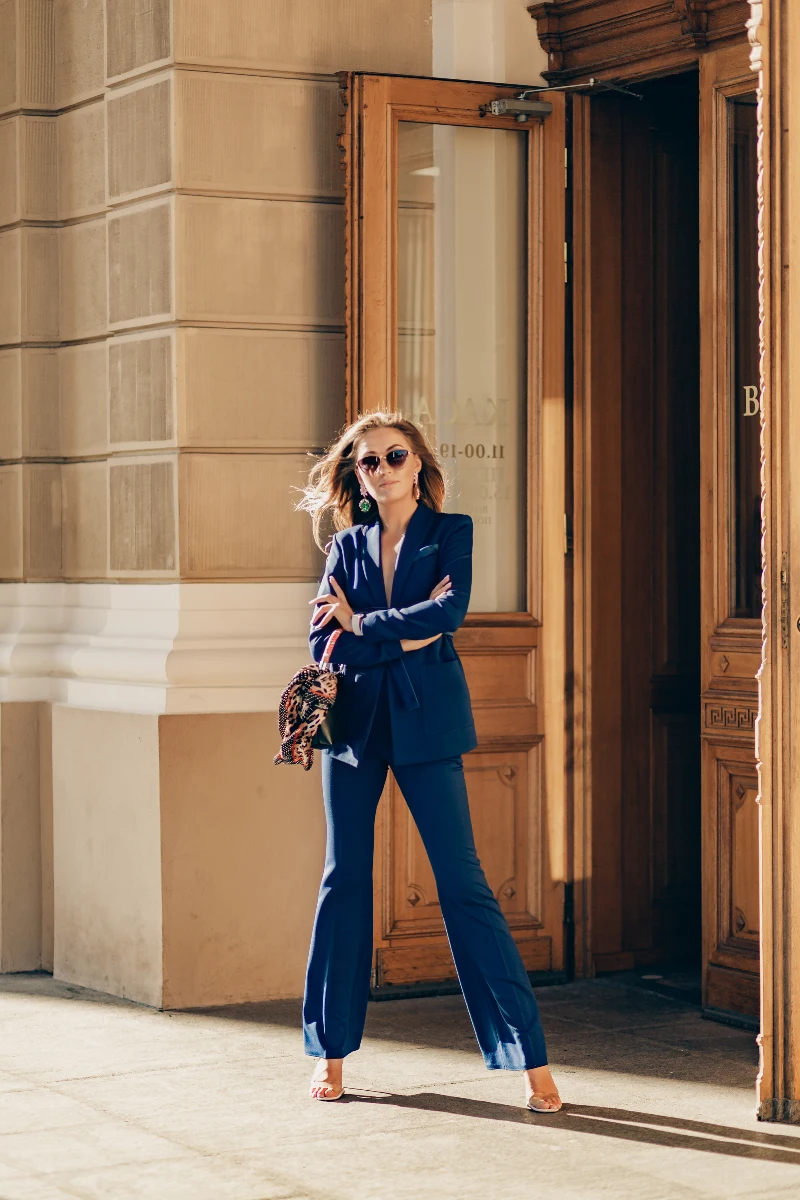
Nothing makes an accessible outfit look custom-made quite like proper fit. High-end fashion looks intentional because the proportions are carefully balanced to create clean lines.
You do not need custom tailoring for every piece you own. Simply paying attention to how shoulder seams sit and where hemlines fall can transform off-the-rack garments into polished staples.
- Balance volume: Pair a relaxed, oversized button-down shirt with structured, straight-leg trousers to keep the silhouette grounded.
- Watch the hemline: Ensure your trousers skim the top of your shoes rather than bunching up at the ankles.
- Align shoulder seams: Ensure blazer and jacket seams sit directly at the point of your shoulder rather than drooping down your arm.
Smart Swaps for Everyday Occasions

To see how these principles apply across different settings, use this simple quick-swap reference table to upgrade your everyday outfits effortlessly.
| Occasion | Standard Casual Outfit | Quiet Luxury Swap | Key Detail |
| Weekend Errands | Sweatpants and graphic tee | Tailored jogger knit and structured trench coat | Clean lines with soft, premium-feeling textures |
| Office Casual | Distressed jeans and polyester blouse | High-waisted straight denim and cotton poplin shirt | Crisp collar with zero distressing on denim |
| Evening Out | Clingy bodycon dress | Monochrome midi slip skirt and fine-knit sweater | Tonal color palette with fluid movement |
Stick to a Thoughtful, Low-Contrast Color Palette
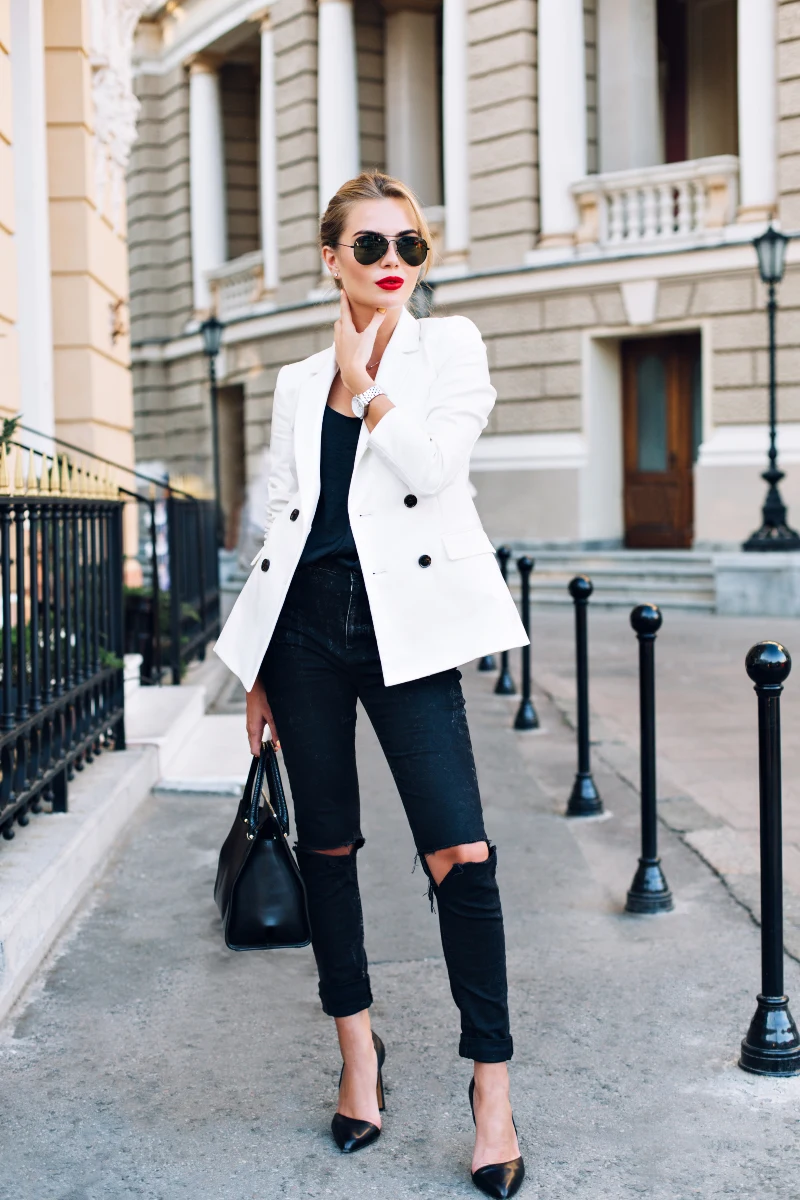
One of the easiest ways to cultivate style confidence and effortless elegance is to dress in monochromatic or low-contrast color schemes.
When your top, bottom, and outerwear belong to the same tonal family, such as soft creams, camel, navy, rich charcoal, or black, it creates a seamless vertical line. This visual continuity makes any outfit look carefully curated and inherently expensive.
Mixing high-contrast, bright neon colors or busy trend prints can easily break up your silhouette and draw attention to minor construction flaws in lower-priced garments.
Common Budget Mistakes (And How to Fix Them)
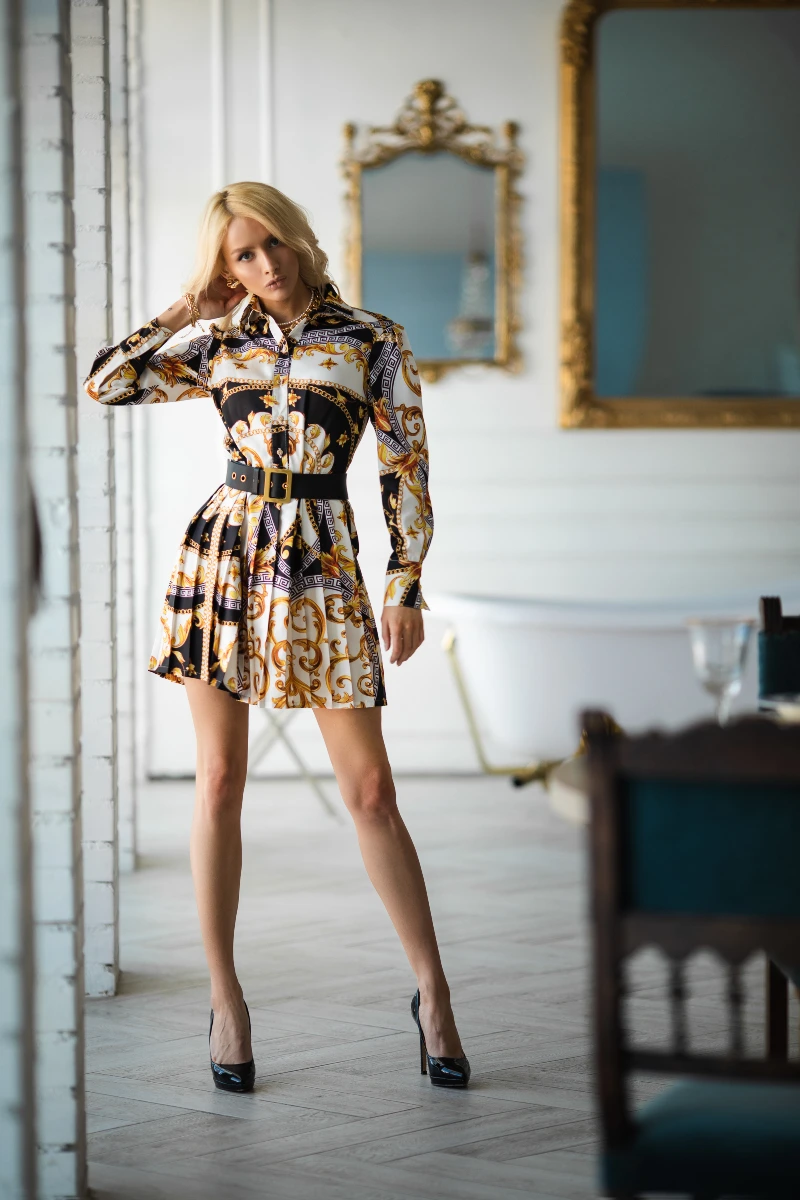
Avoid these common styling traps that can accidentally make an accessible outfit look messy or cheap:
- Over-accessorizing with flashy hardware: Cheap gold or silver plating can tarnish quickly. Fix this by opting for delicate, minimalist jewelry with a soft, brushed finish.
- Wearing wrinkled or lint-covered fabrics: Wrinkles ruin even the most expensive clothes. Fix this by investing in a cheap garment steamer to keep fabrics pristine.
- Ignoring footwear condition: Scuffed soles and worn heels drag down your overall polish. Fix this by wiping down shoes regularly and keeping leather conditioned.
A Simple Outfit Formula to Copy

When you want to look pulled together in under five minutes, rely on this simple, repeatable formula that works for almost any occasion.
Formula: Structured Blazer + Fine-Gauge Knit + High-Waisted Straight Denim + Leather Loafers
This outfit works because it perfectly balances structure with comfort. The blazer adds crisp lines around the shoulders, the fine knit provides a smooth layer beneath, and the straight denim adds a modern touch without feeling overly formal.
Frequently Asked Questions
Can I achieve a luxury look using secondhand or thrifted clothes?
Yes, thrifting is actually one of the best ways to find high-quality fabrics like 100% wool, silk, and pure linen at budget-friendly prices. Focus on checking fabric tags and structural integrity rather than brand names when browsing thrift stores.
How do I care for budget clothes so they last longer and look fresh?
Wash your clothes in cold water on a gentle cycle, turn dark garments inside out to prevent fading, and air-dry structured pieces whenever possible. Using a lint shaver regularly removes pilling from knits, keeping them looking brand new.
What is the single best piece to invest in first?
A well-fitting, structured blazer in a neutral shade like navy, charcoal, or black offers the highest cost-per-wear value. It instantly adds structure and polish to basic t-shirts, knits, dresses, and denim.
Are logos ever okay if I want a refined, understated look?
Quiet luxury is built around understated elegance, so visible brand logos or large graphics tend to distract from clean lines and fine textures. Sticking to unbranded pieces keeps the focus entirely on your overall fit and silhouette.