
Staring into a full closet and still feeling like you have nothing to wear usually comes down to one hidden issue: your clothes are arguing with each other. When every piece is a standalone statement, pulling together quick, everyday outfits becomes a daily struggle.
Building a cohesive color palette for your wardrobe isn’t about throwing out everything you love or forcing yourself into strict rules. It is simply about choosing a core set of shades that naturally talk to each other so dressing feels easy.
With a few intentional shifts, you can create a simple capsule wardrobe where every top, bottom, and layer works in harmony. Here is how to build a thoughtful personal color palette that brings calm, confidence, and effortless structure back to your morning routine.
Why Outfits Feel Disconnected (It Is Not Your Clothes)
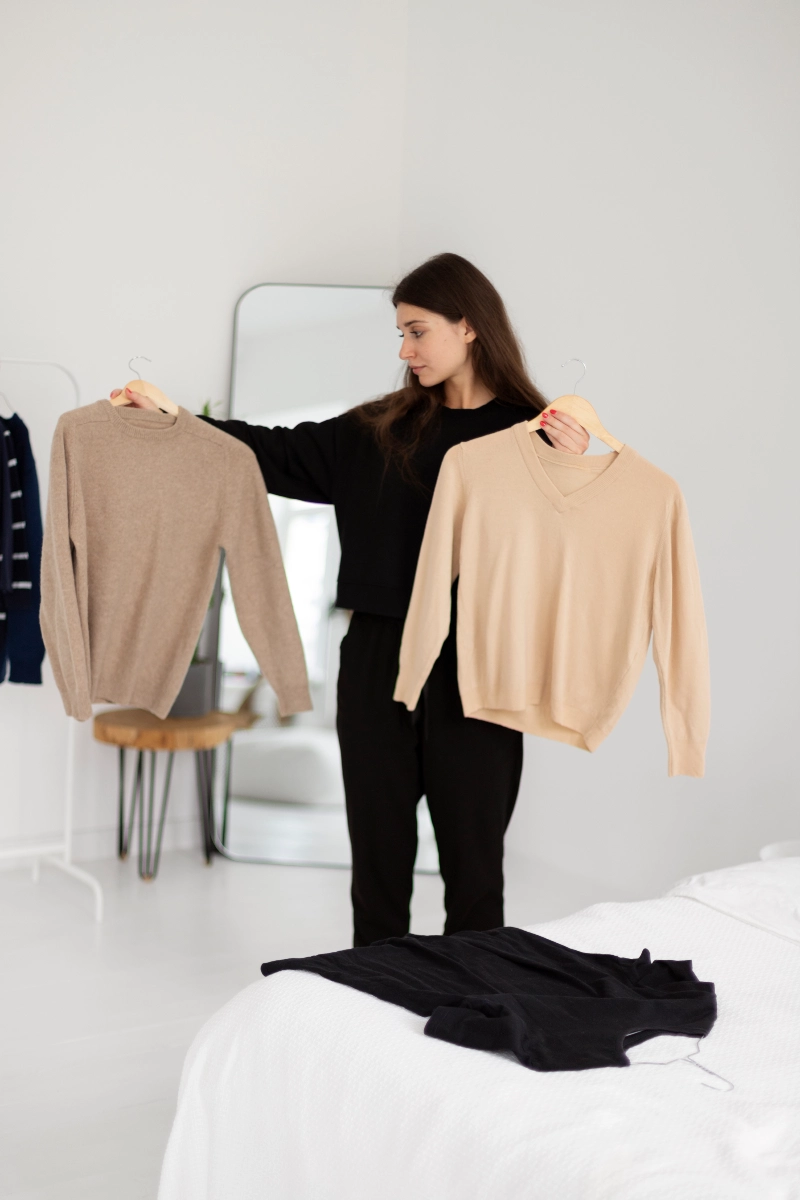
If you have ever bought a gorgeous piece only to realize it sits unworn, the issue is rarely the item itself. Most non-cohesive wardrobes suffer from “single-piece syndrome,” where items are purchased in isolation without a plan for how they connect to the rest of your closet.
When your closet is a random mix of warm undertones, cool pastels, and stark darks, every outfit requires complex styling logic. You end up trying on three pairs of shoes just to find one shade that does not clash.
The goal is to move away from isolated buys and toward a connected system. When your shades share a common temperature or tonal family, mixing and matching becomes second nature.
The 3-Tier Color System That Guarantees Versatility
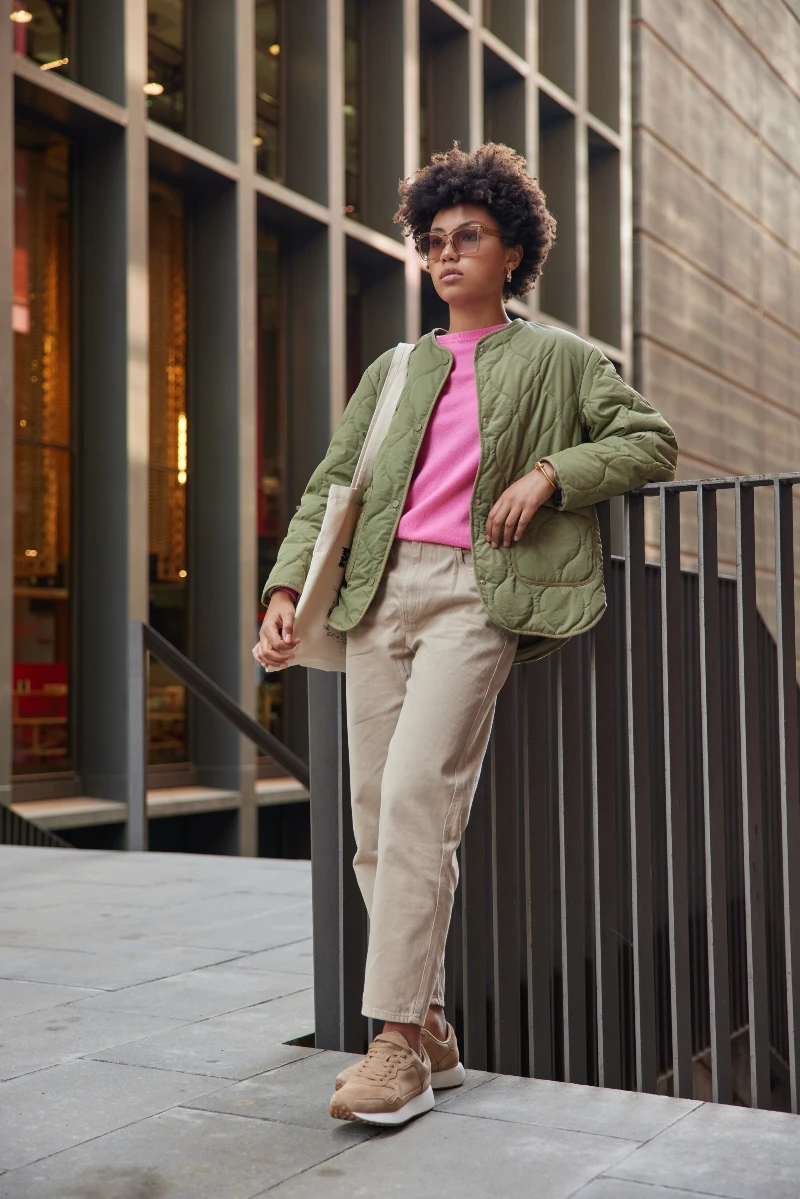
The easiest way to design a functional color foundation is to group your shades into three distinct jobs: bases, neutrals, and accents. This structure gives your wardrobe depth without creating visual chaos.
Before choosing individual shades, it helps to see how these three tiers work together to build a functional foundation.
| Tier | Role in Your Wardrobe | Typical Shade Examples | Ideal Proportion |
| Main Anchor | Grounding darks or lights for key investment pieces | Navy, charcoal, deep olive, rich chocolate | 40% of closet |
| Bridge Neutrals | Soft mid-tones that connect darks to light shades | Oat, warm taupe, soft gray, ivory | 40% of closet |
| Personality Accents | Shades that add energy, mood, and personal taste | Terracotta, sage, cobalt, soft blush | 20% of closet |
Step 1: Lock In Your Main Anchors
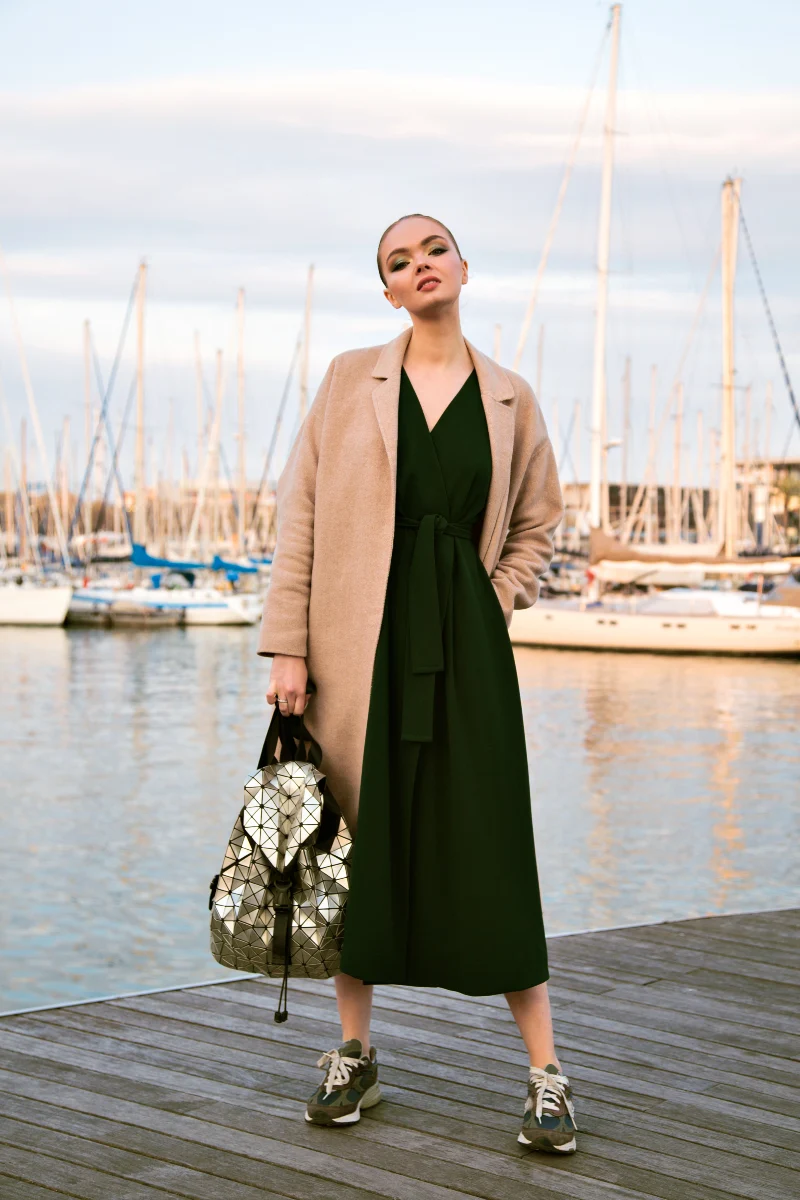
Your anchor shades carry the weight of your wardrobe. These are your trousers, coats, blazers, and structured skirts the pieces you wear repeatedly. Choosing one or two primary dark or heavy neutral anchors creates an immediate baseline of cohesion across your entire collection.
Step 2: Select Your Bridge Neutrals

Bridge neutrals are the peacemakers. They sit between your dark anchors and lighter layers, softening contrast and making transitions smooth. If your anchors are navy and cream, a soft oatmeal or warm taupe acts as the ideal middle ground for knitwear and tops.
Step 3: Choose 1 to 3 Accent Shades

Accents bring life to your look. Rather than picking random pop colors, select shades that align with the undertones of your anchors. If your anchors are warm (browns and khakis), warm accents like mustard or rust will blend seamlessly.
Undertones Explained: How to Pair Warm and Cool Shades

Mixing colors successfully comes down to understanding undertones. You do not need to restrict yourself strictly to cool or warm palettes, but understanding how they interact keeps outfits from feeling off-balance.
When pairing different items, matching the temperature of your pieces creates an instant sense of polish.
Fit & Color Note: If you want to mix warm and cool pieces like a cool gray sweater with warm camel trousers—use a bridge neutral like ivory or soft white near your face to balance the transition gently.
To refine your combinations, swap high-contrast pairings for subtle, intentional matches that flow easily.
| Common Color Pairing | Why It Feels Unbalanced | The Polished Swap |
| Pure Black + Bright Warm Mustard | Harsh visual line that splits the silhouette | Deep Navy + Warm Ochre or Olive |
| Cool Optic White + Muddy Rust | Stark temperature conflict | Warm Cream or Off-White + Rust |
| Cool Charcoal + Golden Camel | Clashing undertones that compete | Deep Slate + Soft Heather Gray |
What to Avoid When Streamlining Your Closet Colors

Creating a cohesive color foundation is about adding harmony, not placing rigid limits on your personal style. Here are a few common pitfalls to steer clear of while refining your collection:
- Buying bright colors without a neutral partner: Always ask what neutral bottom or layer you will wear with a bold top before buying it.
- Assuming black goes with everything: Black can overpower muted, earthy tones; deep navy or espresso brown often works as a softer, more versatile alternative.
- Ignoring fabric texture: Color looks different on glossy silk than it does on matte linen or chunkier knits. Match your textures to soften bold shades.
- Overcomplicating the palette: Stick to 5–7 total shades across your active daily wardrobe to keep morning decisions low-stress and fast.
A Simple Outfit Formula to Try Today

When your palette is aligned, putting together a pulled-together look takes seconds. Here is a reliable, repeatable combination that highlights how anchors, bridge neutrals, and accents balance each other out effortlessly.
Formula: Dark Anchor Bottom + Bridge Neutral Top + Accent Layer or Accessory
Try pairing deep navy wide-leg trousers with a soft cream crewneck sweater. Layer a warm camel coat or structured cardigan over the top, and finish with mid-brown leather boots. The look feels intentional, balanced, and chic because every piece honors the same underlying warmth and depth.
Frequently Asked Questions
Do I have to give up black if I choose a warm palette?
No, you do not have to abandon black. If you love black, keep it as your primary anchor and pair it with warm creams, camel, or rich cognac leather accessories to soften the contrast and add dimension.
How many colors should be in a capsule wardrobe palette?
A practical capsule palette usually features 5 to 7 colors total. This typically includes 2 dark anchor neutrals, 2 soft bridge neutrals, and 2 or 3 accent shades that match your daily style.
How do I know if a new color matches my existing wardrobe?
Before buying a new piece, mentally test it against three items you already wear weekly. If it easily forms two distinct outfits with what you own right now, it naturally fits your palette.