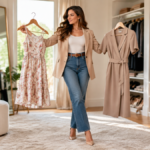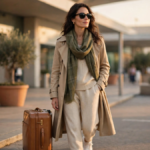
You look in the mirror and realize your closet is full of clothes, but nothing feels quite right anymore. The pieces that used to be your go-to favorites suddenly feel a bit fussy, overly casual, or just not “you” today.
Getting dressed starts to feel like a puzzle with missing pieces. It is frustrating to spend time trying on three different outfits before a simple dinner, only to settle for something that makes you feel invisible or slightly out of touch.
You do not need to overhaul your entire wardrobe or memorize complicated fashion rules. Finding the right style formula for women over 50 is about relying on a few repeatable combinations that prioritize fit, structure, and comfort.
Once you understand the mechanics of proportion, getting dressed becomes the easiest part of your day.
Why Finding Your Style Feels Complicated Right Now
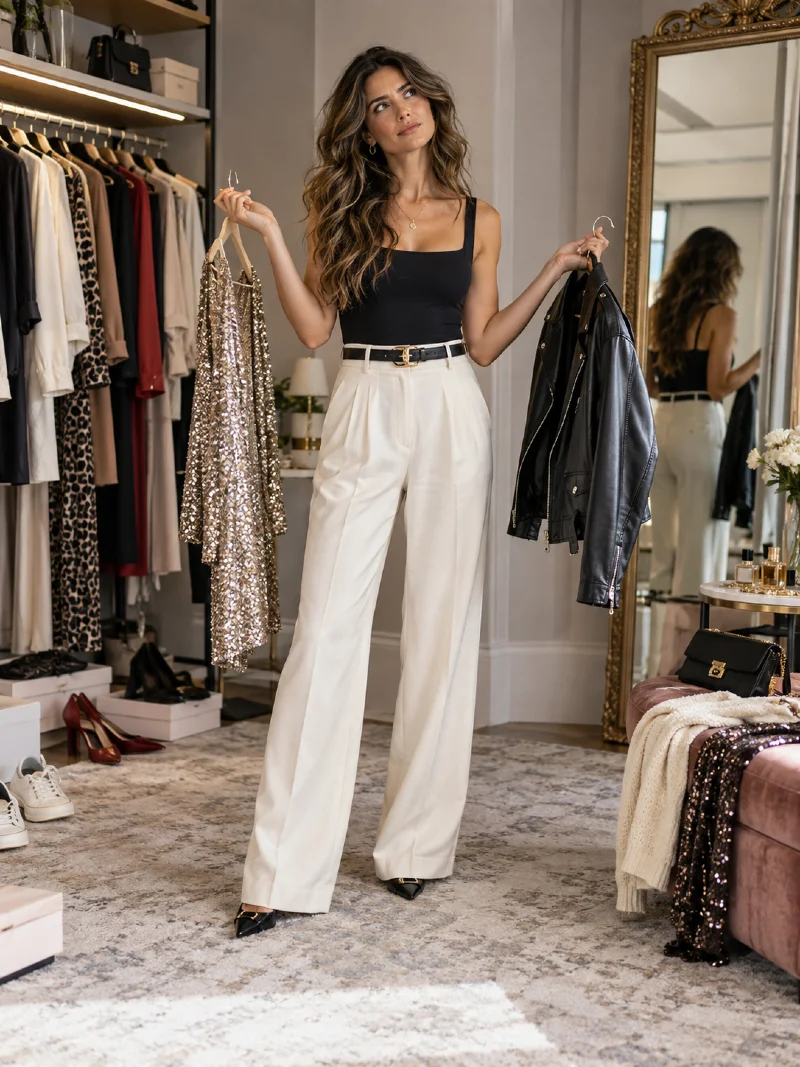
It is not your imagination that shopping and styling feel different than they did a decade ago. Your lifestyle has shifted, moving away from strict office wear toward a more relaxed, blended daily routine.
At the same time, your physical proportions may have subtly changed, even if your clothing size has not. Standard retail sizing rarely accounts for these natural shifts in our shoulders, waistlines, or posture.
When your body changes and your daily contexts blur together—like jumping from morning errands straight to a lunch date—old outfit rules stop working. A new approach requires focusing on silhouette and drape rather than chasing passing trends.
The Core Rule That Changes Everything
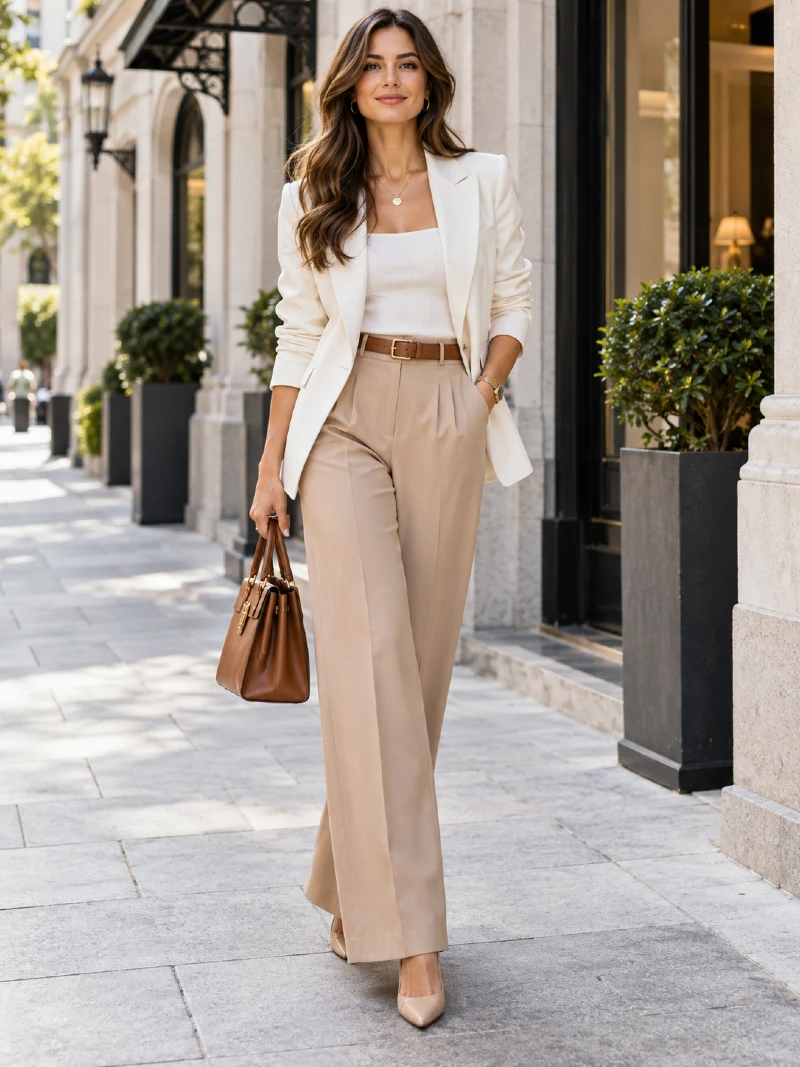
If there is one guiding principle for building style confidence for women over 50, it is prioritizing structure balanced with softness. Clothes that are entirely loose can swallow your frame and look sloppy, while entirely rigid clothes feel uncomfortable.
The secret is blending the two intentionally. When you pair a soft, draping piece with something structured, your outfit immediately looks intentional and grounded.
Think about a relaxed cashmere sweater paired with a crisp, straight-leg trouser. The sweater provides the comfort and movement you crave, while the tailored pant gives the outfit a definitive shape.
The Base Formula You Can Rely On

Creating a reliable daily uniform removes the decision fatigue of getting dressed. The most versatile foundation you can build relies on three simple components.
Formula: A clean base layer + structured trousers + a finishing layer.
This specific combination works because it creates a continuous column of color that lengthens your frame. The third piece, like a blazer or tailored vest, adds sharp vertical lines that instantly pull the look together.
Here is a quick look at how to adapt this formula for different real-life situations.
| Occasion | Base Pieces | The Finishing Layer | Why It Works |
| Grocery runs & errands | White cotton tee + dark straight jeans | Olive utility jacket | Adds practical pockets and shape without feeling stiff. |
| Dinner with friends | Silk cream camisole + wide-leg trousers | Navy oversized blazer | The silk brings softness while the blazer adds sharp authority. |
| Weekend travel | Fine-knit beige sweater + beige chinos | Long soft duster coat | Monochromatic bases elongate the body while the coat adds movement. |
Fit note: Ensure your base layer skims your body gently rather than clinging strictly to it. This allows the fabric to move smoothly under your jackets without bunching.
Upgrading Your Everyday Fabrics
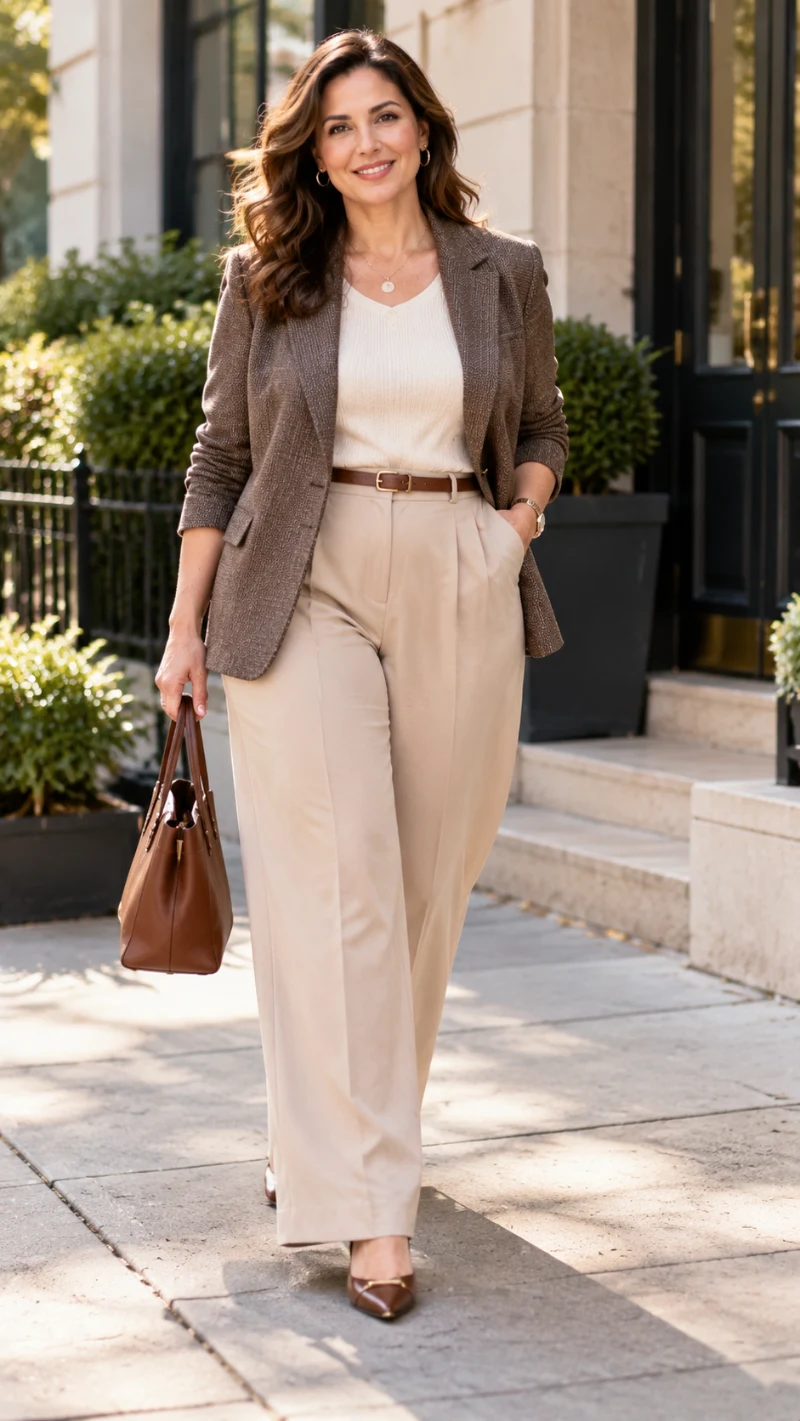
The textiles you choose dictate how your clothes hang and how polished you look. Flimsy, ultra-thin materials tend to cling to undergarments and wrinkle the moment you sit down.
Instead, seek out mid-weight fabrics that hold their own shape. This small shift makes casual outfits for women over 50 look distinctly put-together rather than like weekend loungewear.
Use this guide to swap out frustrating materials for better alternatives.
| Garment Type | Look For This Fabric | Why It Breathes and Fits Better |
| T-Shirts & Tanks | Pima cotton or modal blends | Provides a smooth drape that resists pilling and awkward clinging. |
| Everyday Trousers | Ponte knit or tropical wool | Offers comfortable stretch while maintaining a sharp crease and shape. |
| Sweaters | Merino wool or cotton-cashmere | Delivers warmth without the bulky, boxy silhouette of heavy cable knits. |
Mistakes That Make Outfits Look Dated
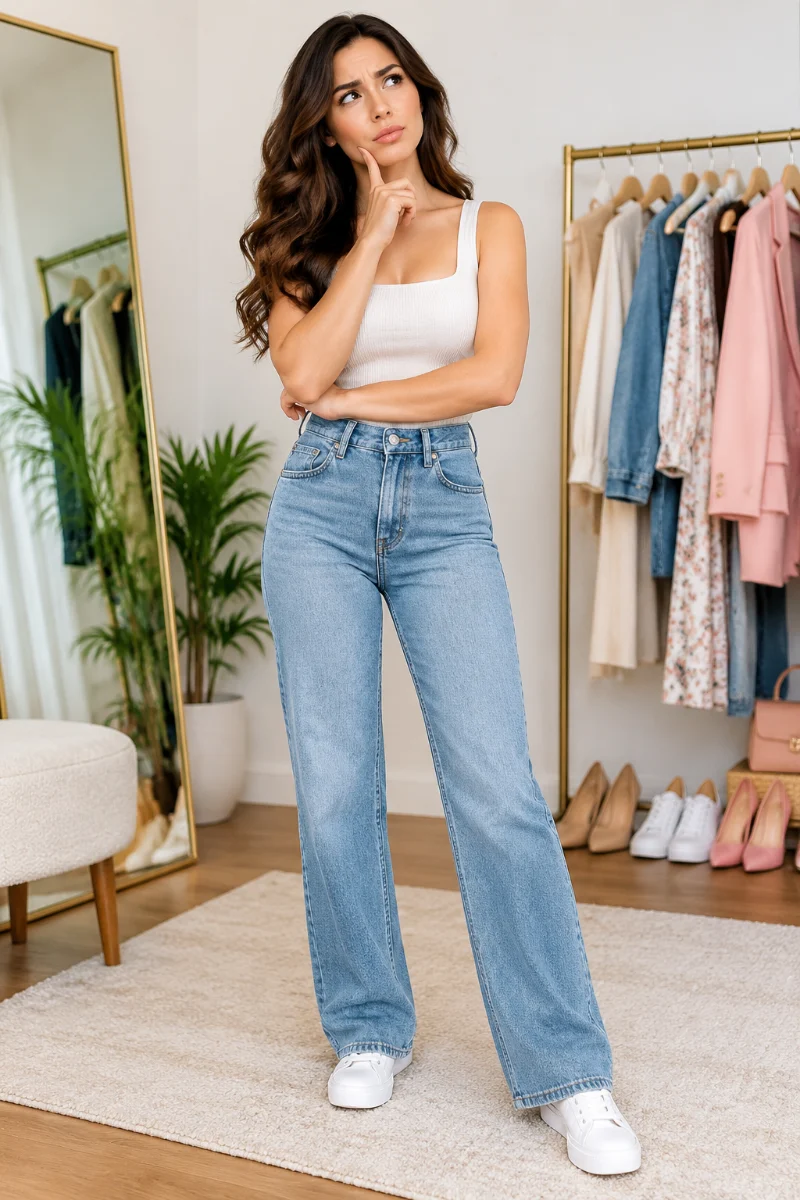
It is easy to fall into styling habits that no longer serve you. Sometimes, small details completely change the energy of an outfit, pushing it from modern to slightly out of touch.
Rather than strictly banning items from your closet, try tweaking how you wear them. Small adjustments in proportion or footwear often rescue a garment you thought you had to donate.
Here are a few common styling traps and how to easily resolve them.
| The Common Mistake | The Modern Fix | Why The Swap Works |
| Hiding in oversized tunics | A hip-length top with a French tuck | Defines your waistline slightly and prevents a boxy, heavy silhouette. |
| Matching jewelry sets | Layered, mixed-metal pieces | Looks collected and personal rather than strictly bought off a mannequin. |
| Round-toe ballet flats | Almond or pointed-toe loafers | Elongates the leg line and adds a sharper, more contemporary edge. |
Shoe swap: If you love the comfort of a sneaker with dresses, choose a sleek, low-profile leather tennis shoe instead of a chunky athletic runner to keep the look refined.
Adapting for Your Lifestyle
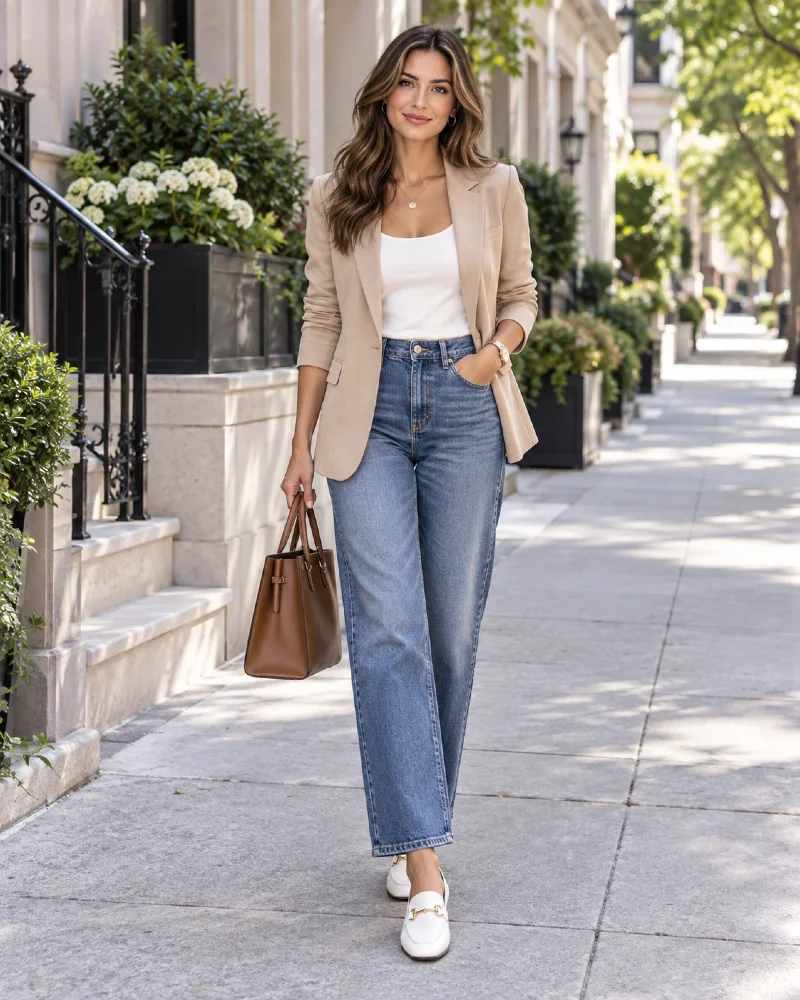
Creating everyday outfits for women over 50 means acknowledging your actual daily routine. If you spend your time working from home or running to appointments, buying stiff suits makes no sense.
Instead, analyze what you actually reach for on a Tuesday morning. Build your wardrobe around those practical, comfortable items, but upgrade their quality and fit.
- Invest in great outerwear: A sharply tailored coat hides a simple tee and jeans, making you look instantly dressed up.
- Pay attention to hemlines: Ensure your trousers are hemmed for the specific shoes you wear most often to avoid dragging fabric.
- Embrace color strategically: Keep your base layers neutral and use scarves or bags to introduce rich shades like burgundy or emerald.
Frequently Asked Questions
Can I still wear jeans if I want to look polished?
Absolutely. Dark wash denim with a straight or wide-leg cut functions just like a tailored trouser. Pair them with a structured jacket and a pointed shoe to keep the look sharp rather than sloppy.
How do I stop my clothes from looking so boxy?
Boxy shapes happen when clothes lack architectural details to guide the fabric. Look for tops with defined shoulder seams, darting at the bust, or gently tapered waists. These small structural elements give the garment a clear direction without clinging to your body.
What is the best way to flatter a soft midsection?
Use the column of color method to draw the eye vertically. Wear a top and bottom in the same dark, solid shade, and leave a contrasting cardigan or jacket open on top. This creates two strong vertical lines that elongate your frame.